Latest posts
-
How to Start an NFT Project: A Practical Beginner’s Launch Guide

A safety-first guide to starting an NFT project: define value, control rights, choose a mint model, test carefully, protect wallets, and plan support.
-
Should I Invest in Crypto or Forex? A Beginner’s Decision Guide

Compare crypto and forex for beginners: market structure, risk, leverage, custody, costs, scams, and a safer way to decide.
-
Crypto Tax Basics

Home › Guides › Taxes › Crypto Tax Basics Crypto tax preparation starts with complete records, not with a form at the end of the year. Buying, selling, swapping, staking, moving funds, and paying fees can leave records across several exchanges and wallets. This guide explains how to organize that information so you can review…
-
Liquidation Risk for Beginners

Home › Guides › Security › Liquidation Risk Liquidation risk is the chance that a leveraged crypto position closes automatically because the funds supporting it are no longer enough. It can happen quickly when price moves against the position. This guide explains the basic terms, the checks to make before a trade, and the practical…
-
Staking APY Explained

Home › Guides › Staking Rewards Staking rewards are payments that some proof of stake networks provide to people who help support the network or delegate assets to a validator. The rate shown on a website is only one part of the decision. You also need to understand price risk, lockup rules, validator quality, fees,…
-
How Gas Fees Work

Home › Guides › Gas Fees Crypto gas fees are network charges paid to process a transaction. They are not paid to The Crypto Town. The amount depends on the network, current demand, transaction type, and settings used by your wallet or exchange. You may pay a fee when sending crypto, swapping a token, approving…
-
Common Crypto Scams to Avoid
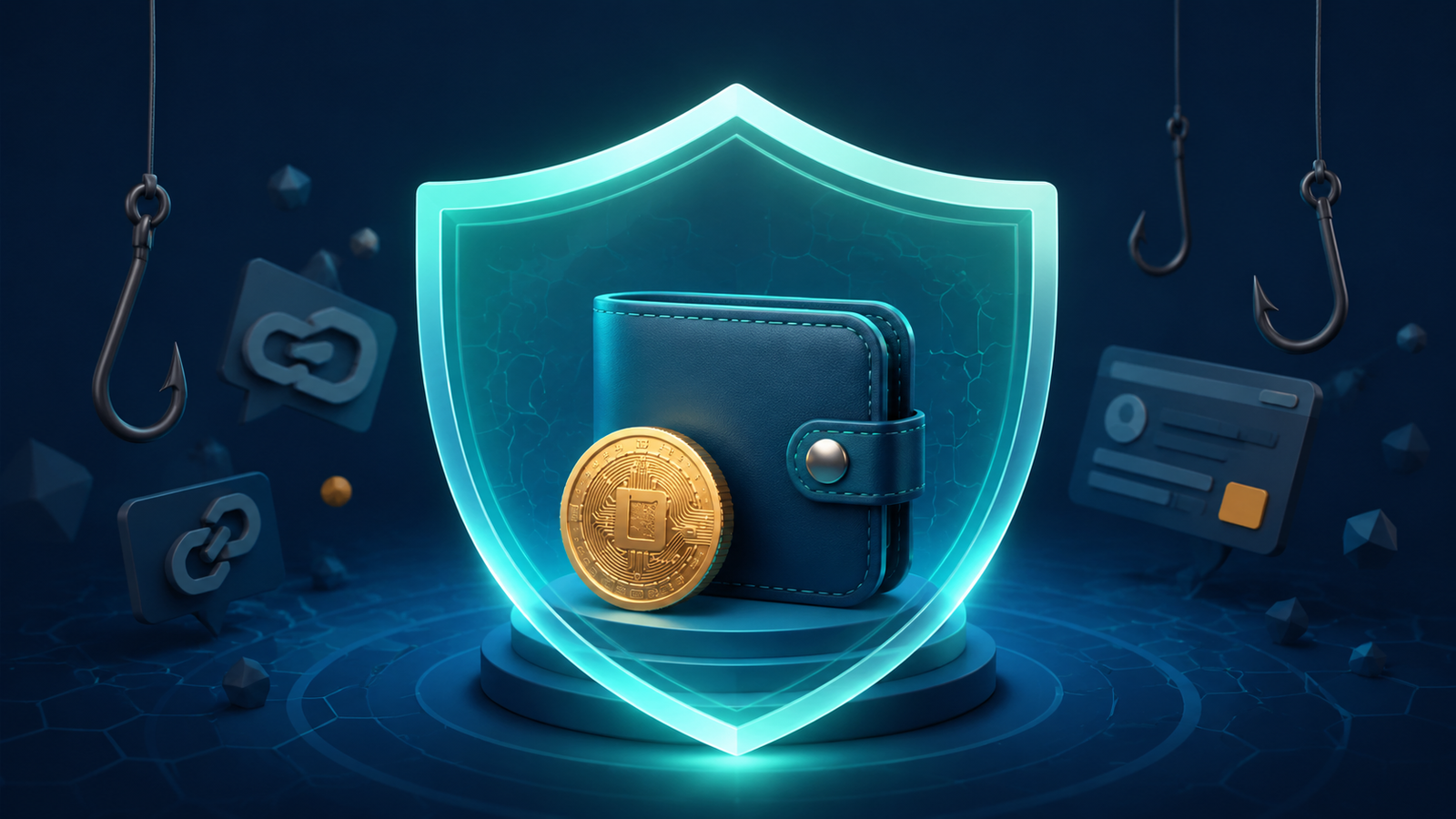
Home › Guides › Security › Crypto Scams Most crypto scams rely on a rushed decision, a fake identity, or a request for information that should stay private. The technology changes, but the basic warning signs are often the same. This guide shows how to spot common scam patterns before you send funds, sign a…
-
How to Choose a Crypto Exchange
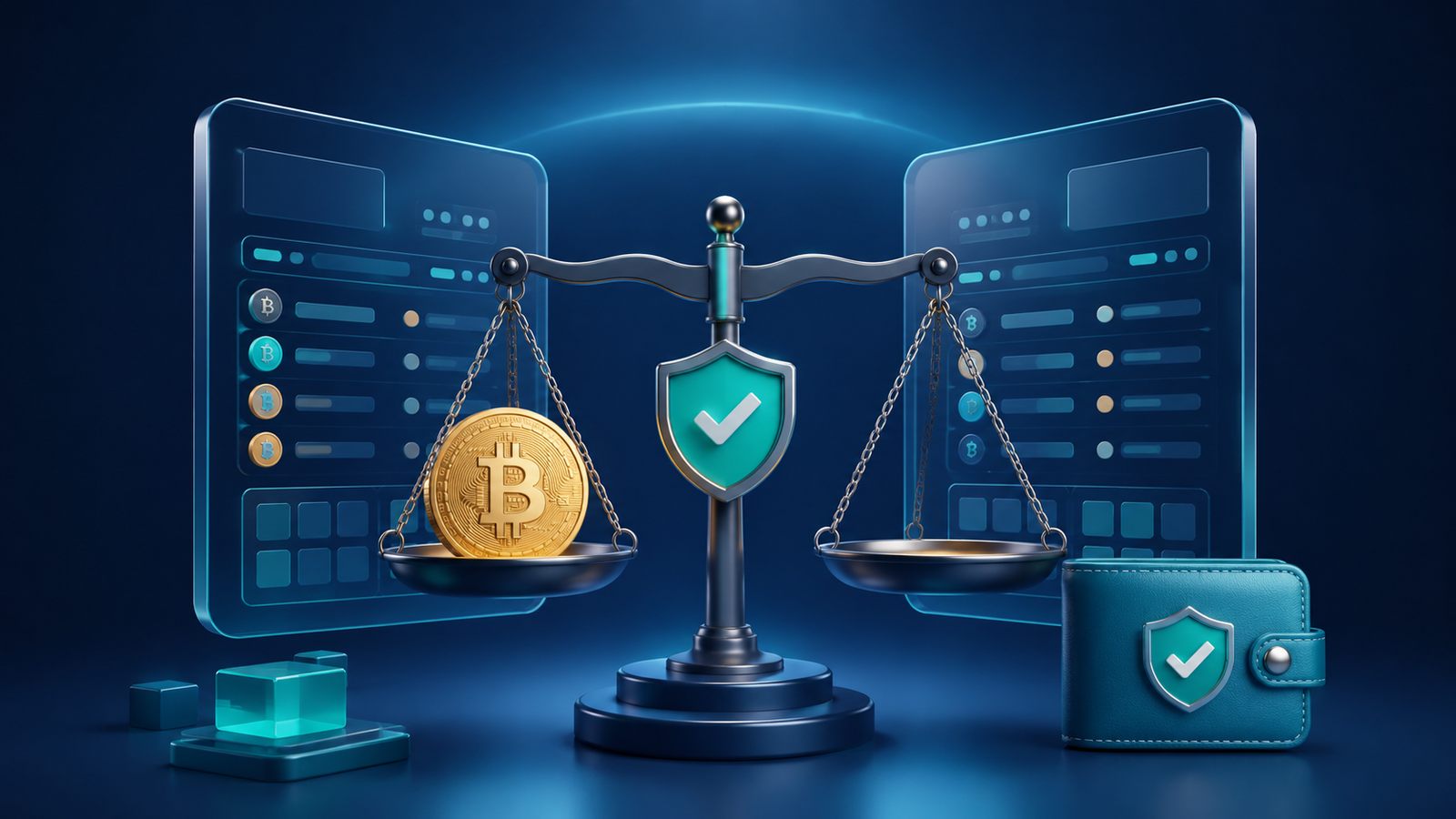
Home › Guides › Exchanges › Choose a Crypto Exchange A crypto exchange should match the job you need to do, your location, and the risks you understand. A simple first purchase, an active trading account, and a wallet based swap can need different services. This guide gives you a practical way to compare exchanges…
-
Wallet Safety Checklist
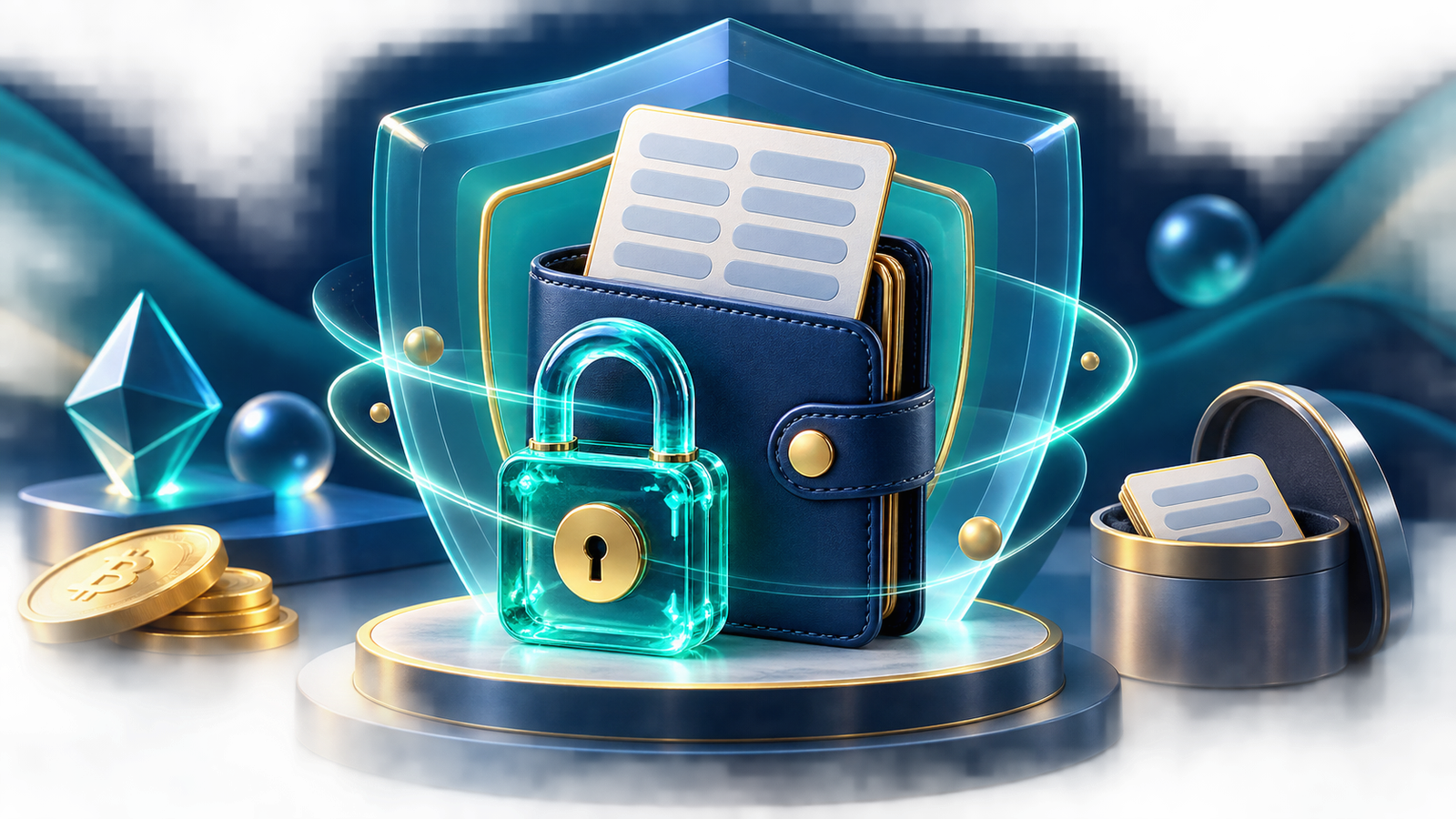
Home › Guides › Wallets › Wallet Safety Checklist A crypto wallet is a key management tool. It can help you receive, store, and send digital assets, but the recovery information behind it must remain private. This checklist gives you a practical order for setting up and using a wallet with fewer avoidable risks. There…
-
DCA vs Lump Sum Crypto Buying

Home › Guides › Dollar Cost Averaging Dollar cost averaging means buying a chosen amount of crypto on a regular schedule instead of making one large purchase at once. People often call this a DCA plan. It can make the purchase process easier to follow, but it does not remove the risk that the asset…