
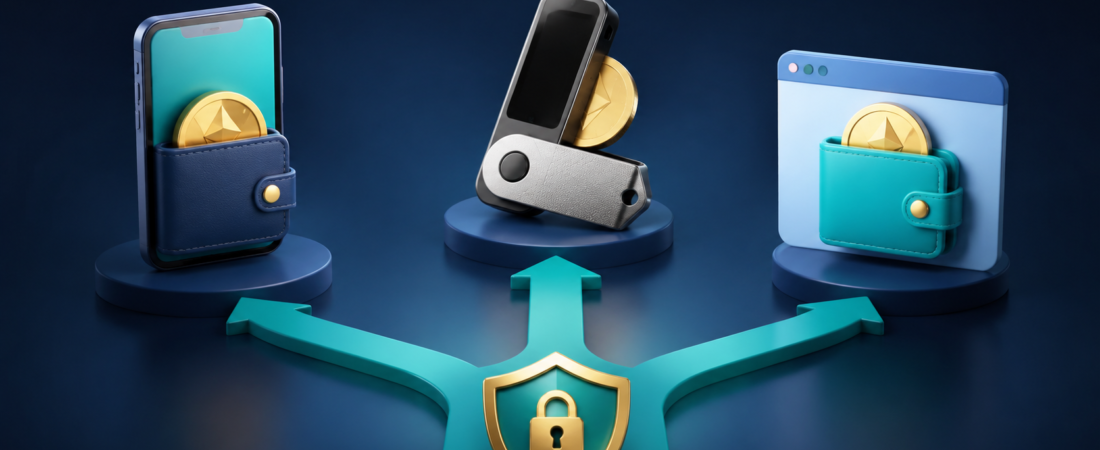
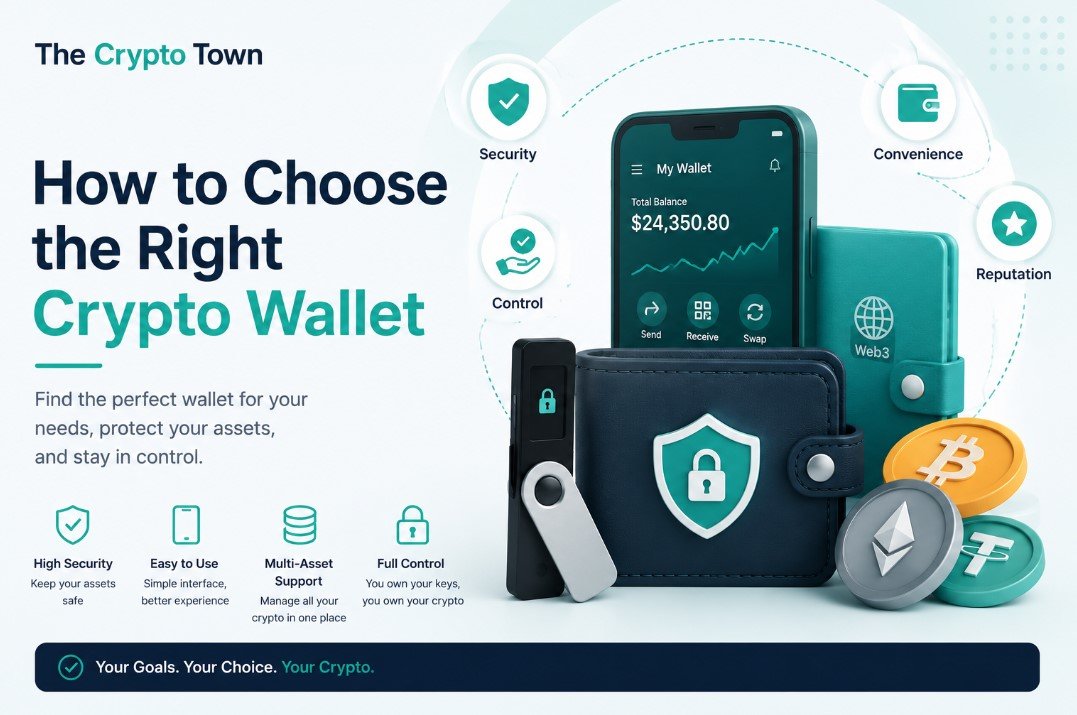
Choosing a crypto wallet is one of the first decisions every cryptocurrency user must make. Whether you are buying Bitcoin for the first time or planning to hold digital assets for years, the wallet you select will affect security, convenience, and overall control of your funds.
Many newcomers focus only on which coin to buy, but protecting those assets is equally important. A wallet acts as the connection between you and the blockchain. The right option depends on your goals, investment size, technical experience, and how often you plan to use your cryptocurrency.
This guide explains the factors you should consider before selecting a wallet and how to find an option that matches your needs.
Why Choosing the Right Wallet Matters
Unlike traditional bank accounts, cryptocurrency transactions are often irreversible. If funds are sent to the wrong address or a recovery phrase is lost, getting access back may be impossible.
A good wallet helps you:
- Store assets securely
- Access funds when needed
- Manage multiple cryptocurrencies
- Reduce security risks
- Maintain control over private keys
Before selecting any wallet, it helps to understand the basic wallet types and how they differ.
If you are completely new to wallets, read our guide on Crypto Wallets Explained for Beginners before continuing.
Understand Your Main Goal
The best wallet for one person may not be the best choice for another.
Start by asking yourself a few questions:
- Will I trade frequently?
- Am I investing long term?
- How much cryptocurrency will I store?
- Do I need mobile access?
- Is security my top priority?
Your answers will help determine which wallet category is most suitable.
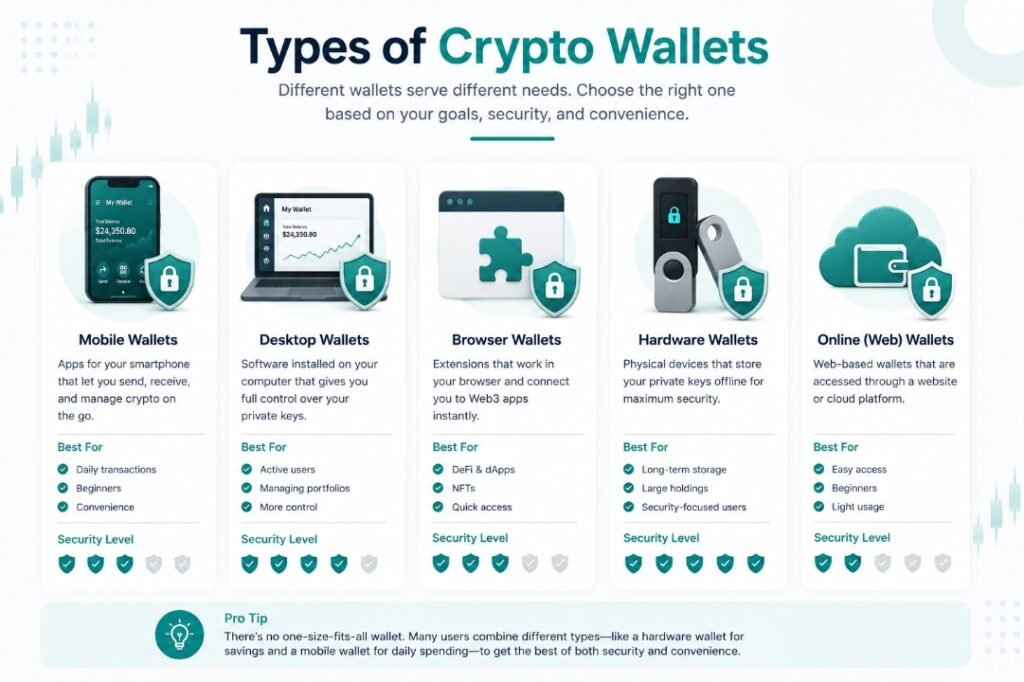
Main Wallet Categories
Most wallets fall into one of the following categories.
Mobile Wallets
Mobile wallets operate through smartphone applications.
Benefits:
- Easy access
- Fast transactions
- Convenient QR code scanning
- Suitable for daily use
Potential drawbacks:
- Phone theft risk
- Malware exposure
- Dependence on device security
Mobile wallets are often a practical option for beginners who manage smaller balances.
Desktop Wallets
Desktop wallets are installed directly on a computer.
Benefits:
- Larger interface
- More advanced features
- Better management tools
Potential drawbacks:
- Vulnerable if the computer is compromised
- Requires device maintenance
Many experienced users prefer desktop wallets for portfolio management.
Browser Wallets
Browser wallets operate through extensions.
Benefits:
- Quick access
- Easy connection to decentralized applications
- Suitable for Web3 activities
Potential drawbacks:
- Higher phishing risks
- Browser vulnerabilities
These wallets are commonly used for decentralized finance and NFT platforms.
Hardware Wallets
Hardware wallets store keys offline.
Benefits:
- Strong security
- Protection from most online threats
- Suitable for long term storage
Potential drawbacks:
- Initial purchase cost
- Slightly less convenient for frequent transactions
For larger holdings, hardware devices are often considered one of the safest options.
Hot Wallets vs Cold Wallets
Understanding this difference is essential when selecting a wallet.
| Feature | Hot Wallet | Cold Wallet |
|---|---|---|
| Internet Access | Connected | Offline |
| Convenience | High | Medium |
| Security | Moderate | High |
| Cost | Usually Free | Usually Paid |
| Daily Use | Excellent | Limited |
| Long Term Storage | Good | Excellent |
Many users combine both methods.
A common approach is:
- Small spending balance in a hot wallet
- Long term holdings in cold storage
This provides both convenience and protection.
Decide Who Controls the Keys
One of the biggest decisions involves custody.
Custodial Wallets
A third party controls private keys.
Examples:
- Many cryptocurrency exchanges
- Hosted wallet services
Advantages:
- Easy setup
- Password recovery options
- Beginner friendly
Disadvantages:
- Reduced control
- Reliance on provider security
- Possible account restrictions
Non Custodial Wallets
Users maintain full control.
Advantages:
- Greater ownership
- Increased independence
- Better privacy
Disadvantages:
- Full responsibility for backups
- No recovery assistance if credentials are lost
Many cryptocurrency enthusiasts prefer self custody because it gives direct control over assets.
Evaluate Security Features
Security should be one of the most important selection factors.
Look for wallets that offer:
- Two factor authentication
- Open source development
- Security audits
- Multi signature support
- Biometric login
- Backup and recovery options
- Hardware integration
A wallet with strong security features can significantly reduce risk.
You may also want to review our Security section for additional protection strategies.
Check Supported Cryptocurrencies
Not every wallet supports every asset.
Before making a choice, verify support for:
- Bitcoin
- Ethereum
- Stablecoins
- Solana
- Other cryptocurrencies you own
Some wallets specialize in a single blockchain while others support hundreds or even thousands of assets.
Selecting a compatible wallet helps avoid future migration issues.
Consider Ease of Use
Beginners often underestimate the importance of user experience.
A wallet should provide:
- Clear navigation
- Easy backup instructions
- Simple transaction process
- Helpful documentation
- Responsive support resources
Complicated interfaces can increase the likelihood of mistakes.
If you are new to cryptocurrency, choosing a user friendly wallet is often a smart starting point.
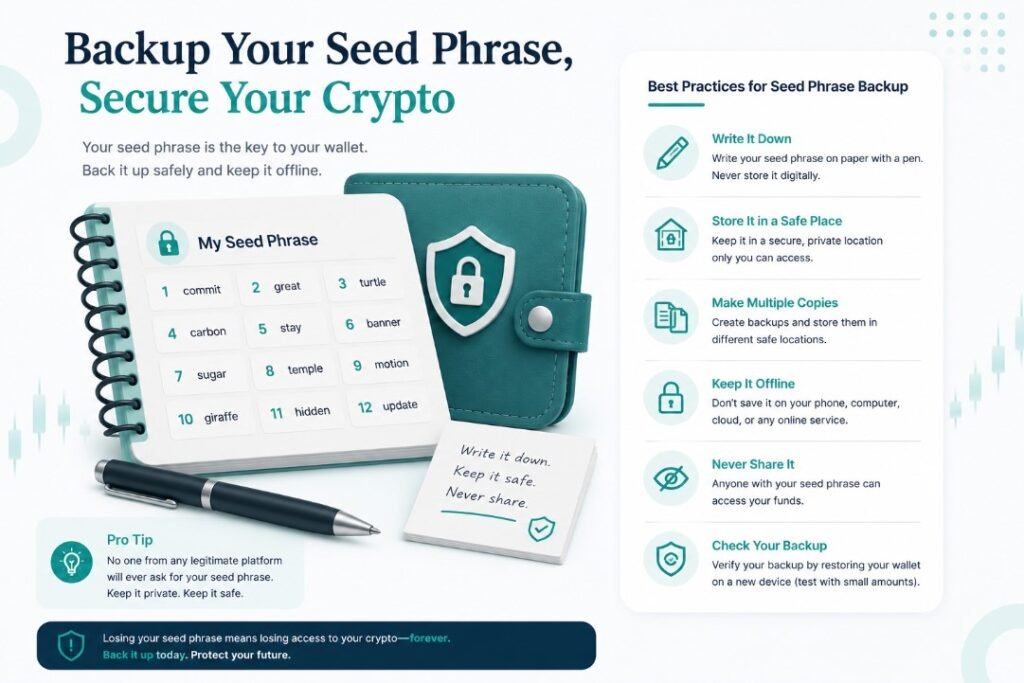
Look at Recovery Options
Recovery planning is often overlooked until something goes wrong.
Before choosing a wallet, understand:
- How recovery phrases work
- Whether backups are supported
- What happens if your device is lost
- How wallet restoration works
A reliable recovery process helps ensure long term access to funds.
For more information, read our guide on protecting wallets and seed phrases.
Review Reputation and Track Record
Not all wallets have the same history.
Before selecting one, research:
- Years in operation
- Security incidents
- Community feedback
- Development activity
- Independent reviews
Questions worth asking include:
- Has the wallet suffered major breaches?
- Is the development team active?
- Does the community trust the product?
Established projects often provide greater confidence than unknown alternatives.
Think About How Often You Transact
Transaction frequency plays a major role in wallet selection.
Frequent Users
People who send or receive cryptocurrency regularly may prefer:
- Mobile wallets
- Desktop wallets
- Browser wallets
These options provide quick access and convenience.
Long Term Holders
Investors focused on long term storage often prefer:
- Hardware wallets
- Cold storage solutions
These options prioritize protection over convenience.
Matching your wallet to your usage pattern can improve both security and efficiency.
Features That May Matter
Modern wallets offer additional capabilities.
Some useful features include:
- Portfolio tracking
- Built in swapping
- NFT support
- Staking access
- Multi chain compatibility
- Address book management
- Transaction history tools
Not every user needs these features, but they can improve the overall experience.
Common Mistakes When Choosing a Wallet
Many beginners make similar mistakes.
Choosing Based Only on Popularity
A wallet may be popular but still unsuitable for your needs.
Ignoring Security
Convenience should never completely replace security considerations.
Using Unknown Wallets
Unverified software increases risk.
Failing to Test Recovery
Always verify that backups work properly.
Storing Large Balances on Exchanges
Exchange accounts can be convenient but are not always ideal for long term storage.
Downloading From Unofficial Sources
Only use official websites and app stores.
Warning Signs to Avoid
Be cautious of wallets that:
- Promise guaranteed profits
- Request seed phrases
- Have little public information
- Lack security documentation
- Receive consistent negative reviews
- Use aggressive marketing tactics
Trustworthy wallets focus on security and functionality rather than unrealistic claims.
A Simple Wallet Selection Framework
The following framework can help simplify the decision.
Scenario 1: Complete Beginner
Recommended priorities:
- Ease of use
- Mobile access
- Strong reputation
Scenario 2: Active Trader
Recommended priorities:
- Fast transactions
- Portfolio management
- Multi chain support
Scenario 3: Long Term Investor
Recommended priorities:
- Cold storage
- Backup protection
- Hardware wallet compatibility
Scenario 4: Advanced User
Recommended priorities:
- Multi signature support
- DeFi compatibility
- Advanced security settings
Questions to Ask Before Making a Final Choice
Before selecting any wallet, ask yourself:
- Who controls the private keys?
- Is the wallet reputable?
- Does it support my assets?
- Is recovery straightforward?
- Does it fit my security requirements?
- Will it remain practical as my portfolio grows?
Answering these questions can prevent many common mistakes.
Frequently Asked Questions
What is the safest type of wallet?
Hardware wallets are generally considered among the safest options because they keep private keys offline.
Can I use multiple wallets?
Yes. Many people use separate wallets for spending, investing, and long term storage.
Should beginners start with a hardware wallet?
Not necessarily. Many newcomers begin with a reputable mobile wallet and later move larger holdings into cold storage.
Are exchange wallets safe?
They can be convenient, but they involve trusting a third party with custody of assets.
Can I switch wallets later?
Yes. Cryptocurrency can usually be transferred between compatible wallets.
Is a free wallet good enough?
For many users, reputable free wallets provide sufficient functionality. The decision depends on security requirements and portfolio size.
Final Thoughts
Selecting the right crypto wallet is about balancing security, convenience, control, and personal needs. There is no universal solution that works for everyone. A beginner making occasional purchases may prioritize simplicity, while a long term investor may focus on stronger protection through offline storage.
Take time to understand wallet types, custody options, recovery methods, supported assets, and security features before making a decision. A thoughtful choice today can help protect your digital assets and provide a better experience as you continue learning about cryptocurrency.
As you continue your research, explore our Wallets hub, Security guides, and beginner resources to learn more about protecting and managing your cryptocurrency safely.
Related wallet and security resources
After choosing a wallet type, review custody, transfers, and scam safety topics.